
AI Training
How AI Is Transforming the German Job Market?
6/5/2026

Hiring qualified care and support staff is one of the biggest challenges facing care facilities in Germany today. With an aging population and increasing regulatory requirements, employers must ensure they hire correctly trained professionals—especially when recruiting under 43b and 53b SGB XI . These regulations define the role, qualifications, and responsibilities of care and support workers who focus on social care and activation rather than medical nursing tasks.
This guide from TSA Bildungsakademie Berlin provides practical, employer-focused tips to help you recruit, onboard, and retain qualified staff under 43b and 53b SGB XI —while remaining fully compliant and improving care quality.
Before hiring, employers must clearly understand what 43b and 53b SGB XI regulate. These sections of the German Social Code (SGB XI) govern the employment of care and support workers in care facilities.
Under 43b and 53b SGB XI , care assistance staff are employed to:
They do not replace nursing professionals and are not allowed to perform medical or nursing procedures. Employers who misunderstand this distinction risk compliance violations and staffing issues.
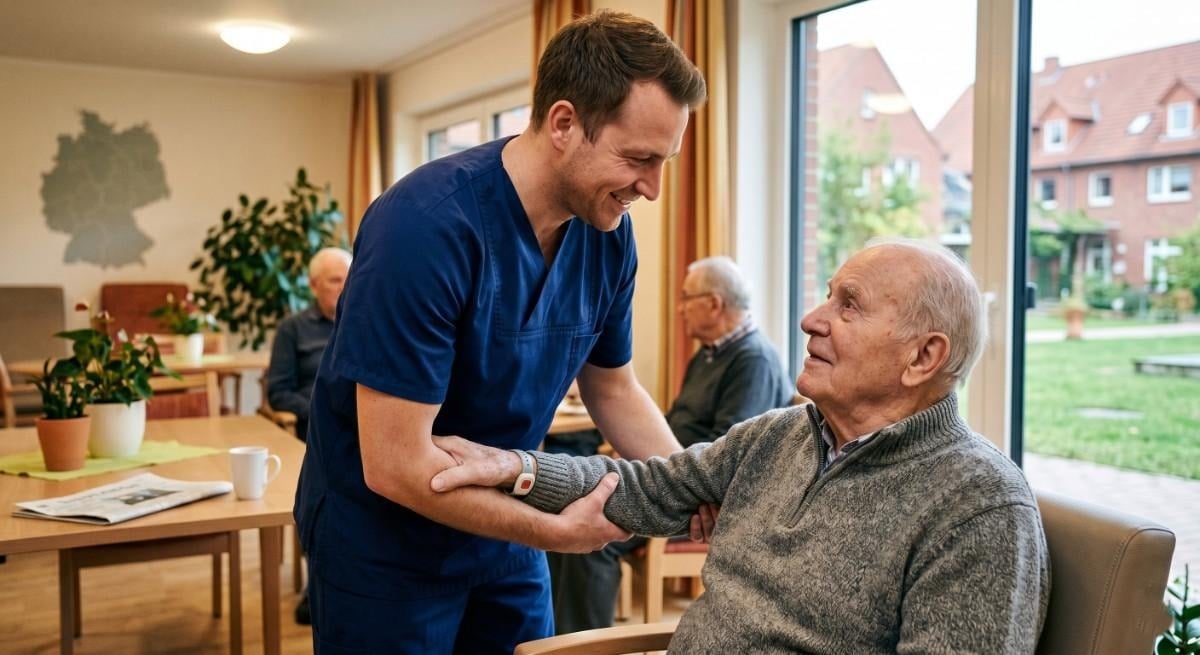
Care workers hired under 43b and 53b SGB XI focus on improving residents' quality of life. Their work is centered on human interaction, empathy, and meaningful engagement rather than clinical care.
Typical workplaces include:
In cities like Berlin, the demand for qualified care assistance §43b 53b Berlin continues to grow, making proper recruitment strategies essential for employers.
Compliance is critical when hiring under 43b and 53b SGB XI . Employers must ensure that all candidates meet the legally defined requirements.
Key employer obligations include:
Failing to comply with 43b and 53b SGB XI regulations can result in penalties, loss of funding, or reputational damage.
One of the most important tips for employers is to verify training quality . Care and support workers under 43b and 53b SGB XI must complete a recognized qualification program that includes theory and practical training.
Essential qualifications:
Important soft skills:
Employers working with training providers like TSA Bildungsakademie Berlin gain access to job-ready candidates who meet all legal and practical requirements.
Recruitment under 43b and 53b SGB XI should be structured and strategic. Employers should avoid rushed hiring decisions and focus on long-term quality.
Proven recruitment tips:
Targeted recruitment is especially important in high-demand regions such as Berlin, where care assistance §43b 53b Berlin roles are increasingly competitive.
A strong onboarding process increases retention and performance. Employers hiring under 43b and 53b SGB XI should implement a clear and supportive integration plan.
Effective onboarding includes:
Well-integrated care workers enhance team harmony and improve resident satisfaction.
Many compliance issues arise from avoidable mistakes. Employers hiring under 43b and 53b SGB XI should be aware of the following pitfalls:
Avoiding these mistakes protects both your facility and your employees.
When employers hire correctly under 43b and 53b SGB XI , the benefits extend beyond compliance.
Key advantages:
Facilities that invest in well-trained care staff also experience lower turnover and higher team stability.
TSA Bildungsakademie Berlin is a trusted partner for employers seeking qualified care and support staff under 43b and 53b SGB XI .
What TSA offers:
By working with TSA, employers gain access to skilled professionals who are prepared for the realities of care work.
Hiring under 43b and 53b SGB XI requires more than filling vacancies—it requires understanding regulations, verifying qualifications, and supporting care staff long-term. Employers who follow best practices benefit from compliant operations, improved care quality, and a more motivated workforce.
By partnering with trusted training providers like TSA Bildungsakademie Berlin , employers can confidently recruit qualified professionals and meet the growing demand for high-quality care assistance.
If you are looking to strengthen your care team and ensure compliance with 43b and 53b SGB XI , investing in proper training and structured hiring is the key to sustainable success.
Our expert team at TSA is dedicated to providing valuable insights and practical guidance for your professional development journey. We combine years of industry experience with the latest educational trends to bring you content that matters.