Care & Support
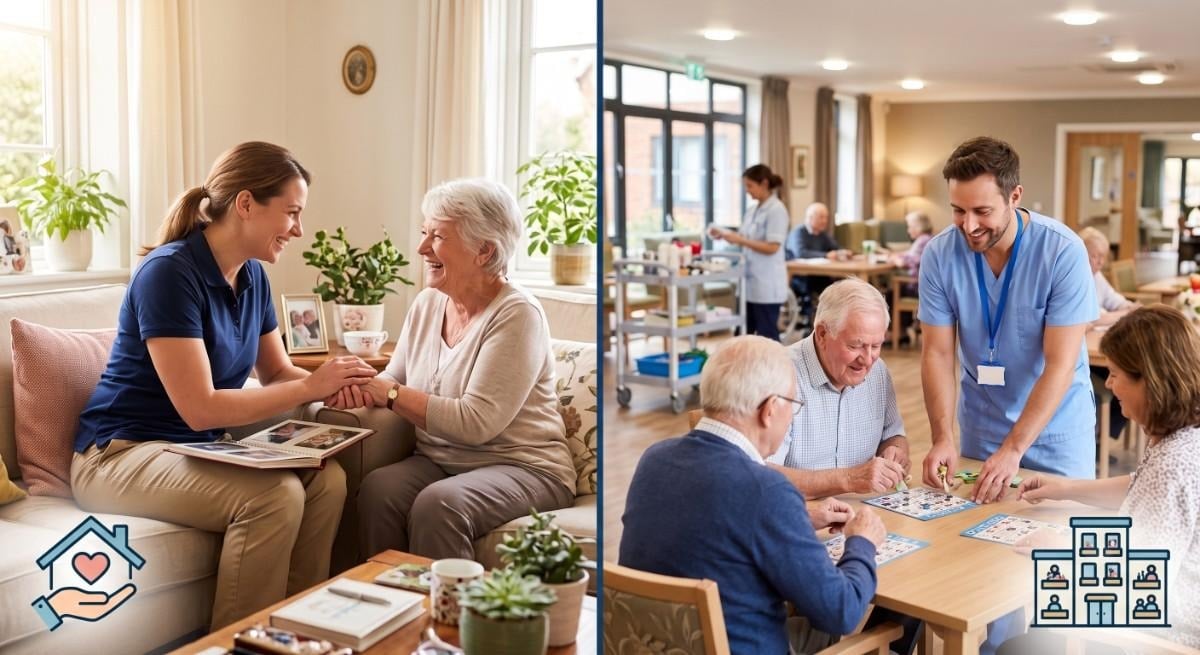
Home Care vs Nursing Home Careers: Which Path Is Right for You?
8/20/2026
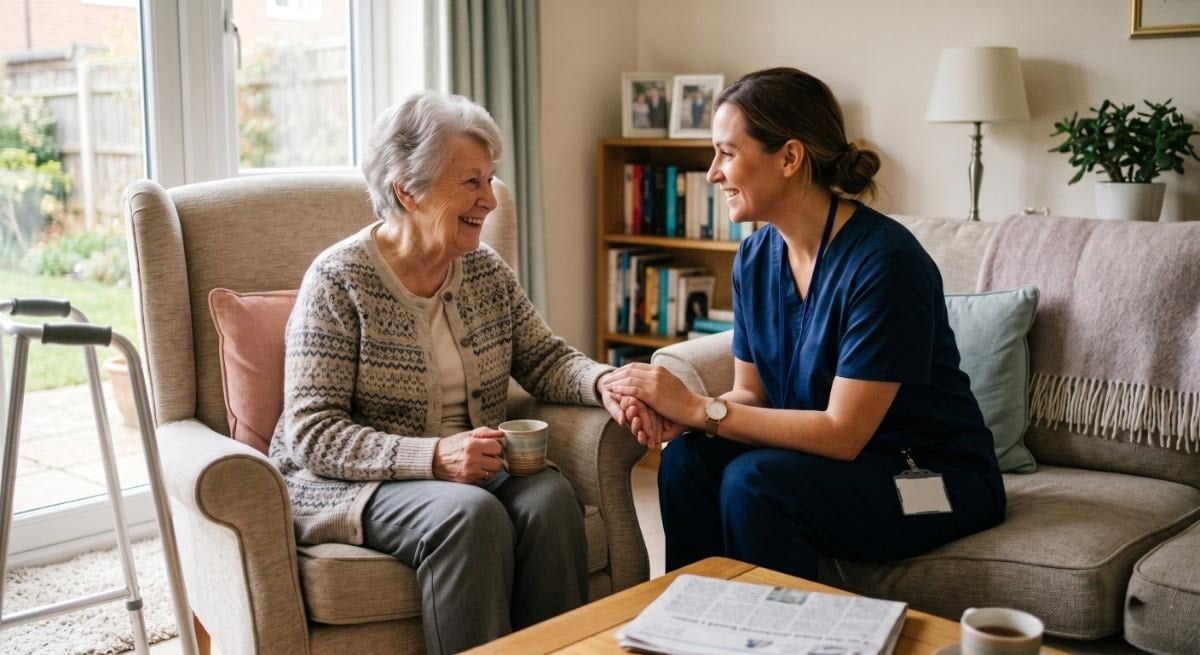
The demand for trained caregivers is rising rapidly across the globe, especially as populations age and healthcare systems expand. If you're considering a career in this field, understanding the Skills Required for Elderly Care Jobs is essential. Elderly care is not just about assisting with daily tasks it’s about improving quality of life, ensuring dignity, and providing emotional support.
Whether you are a beginner or looking to upgrade your qualifications through programs like Further Education in Berlin or Continuing Education in Nursing, this guide will help you understand the key competencies needed to succeed.
Elderly care jobs focus on supporting older adults in their daily lives. These roles may include:
Caregiver
Home health aide
Nursing assistant
Personal care assistant
Professionals in this field work in various environments such as private homes, hospitals, and assisted living facilities. With the right elderly caregiver qualifications, you can build a stable and rewarding career.
Having the right senior care skills directly impacts the well-being of patients. Skilled caregivers can:
Ensure safety and prevent accidents
Provide emotional comfort
Build trust with patients and families
Improve overall quality of life
This is why employers prioritize candidates with strong caregiver skills for elderly roles.
Soft skills are the foundation of effective caregiving. These are personal qualities that help you connect with and support elderly individuals.
Understanding the emotional and physical challenges faced by seniors is crucial. Compassion helps caregivers provide genuine care and build strong relationships.
Elderly individuals may move slowly or repeat themselves due to memory issues. Patience ensures you handle such situations calmly.
Clear communication is one of the most important skills needed for elderly care jobs. You must interact effectively with patients, families, and healthcare professionals.
Caregiving can be emotionally demanding. Being mentally strong helps you handle stress and difficult situations.
Unexpected situations can arise at any time. Quick thinking and decision-making are valuable top skills for elderly caregivers.
In addition to soft skills, caregivers must develop practical abilities to perform their duties efficiently.
Understanding vital signs, recognizing symptoms, and providing basic care are essential geriatric care skills.
Emergency preparedness is critical. Many training programs, including Continuing Education in Nursing, emphasize these life-saving skills.
Caregivers must ensure patients take the correct medications at the right time.
Helping seniors move safely reduces the risk of falls and injuries.
Assisting with bathing, grooming, and toileting requires sensitivity and professionalism.
To excel in this field, go beyond the basics. These additional elderly care assistant skills can give you a competitive edge:
Time management and organization
Attention to detail
Cultural sensitivity
Teamwork and collaboration
Adaptability
These qualities are especially valuable in professional settings like nursing homes and hospitals.
While some entry-level roles may not require advanced qualifications, proper training significantly improves your job prospects.
Popular training options include:
Caregiver certification programs
Nursing assistant courses
Specialized elderly care training
Programs like 43b 53b online course in Germany are highly recognized for those who want to work in social care roles. Similarly, enrolling in Further education in Berlin can open doors to advanced career opportunities.
Professional training ensures you develop both hard and soft skills for elderly caregivers, making you job-ready.
If you’re wondering how to become a skilled elderly caregiver, here are practical steps:
Courses in caregiving and Continuing Education in Nursing provide structured learning and certifications.
Practical experience is invaluable. Consider internships or volunteering in healthcare settings.
Healthcare is always evolving. Stay updated with new techniques and best practices.
Working alongside experienced caregivers helps you understand real-world challenges and solutions.
The healthcare sector offers a wide range of opportunities for those with the right skills required for elderly care jobs.
Popular Career Paths
Home health aide
Certified nursing assistant (CNA)
Geriatric care specialist
Personal support worker
Growth Potential
With additional certifications and experience, you can move into supervisory or specialized roles.
The demand for skilled caregivers is increasing globally, making this a stable and rewarding career choice.
Elderly caregiving comes with its own set of challenges:
Physical demands
Emotional stress
Managing chronic illnesses
Dealing with dementia patients
However, having the right essential skills for senior care workers helps you overcome these challenges effectively. Skills like patience, empathy, and problem-solving make caregiving more manageable and fulfilling.
If you are serious about building a career in elderly care, investing in education is key. Options like:
Further education in Berlin for advanced learning
Continuing Education in Nursing for clinical skills
43b 53b online course in Germany for specialized caregiving roles
These programs not only enhance your knowledge but also improve your employability in competitive markets.
Understanding the Skills Required for Elderly Care Jobs is the first step toward building a successful career in this growing field. From compassion and communication to medical knowledge and practical caregiving abilities, each skill plays a vital role in delivering quality care.
By investing in proper training, gaining hands-on experience, and continuously improving your abilities, you can become a highly skilled caregiver. Whether you choose Further education Berlin, enroll in Continuing Education in Nursing, or complete a 43b 53b online course in Germany, the right education will set you apart.
Elderly care is more than just a job it’s a meaningful career where you can make a real difference in people’s lives.
Our expert team at TSA is dedicated to providing valuable insights and practical guidance for your professional development journey. We combine years of industry experience with the latest educational trends to bring you content that matters.