Care & Support
Home Care vs Nursing Home Careers: Which Path Is Right for You?
8/20/2026
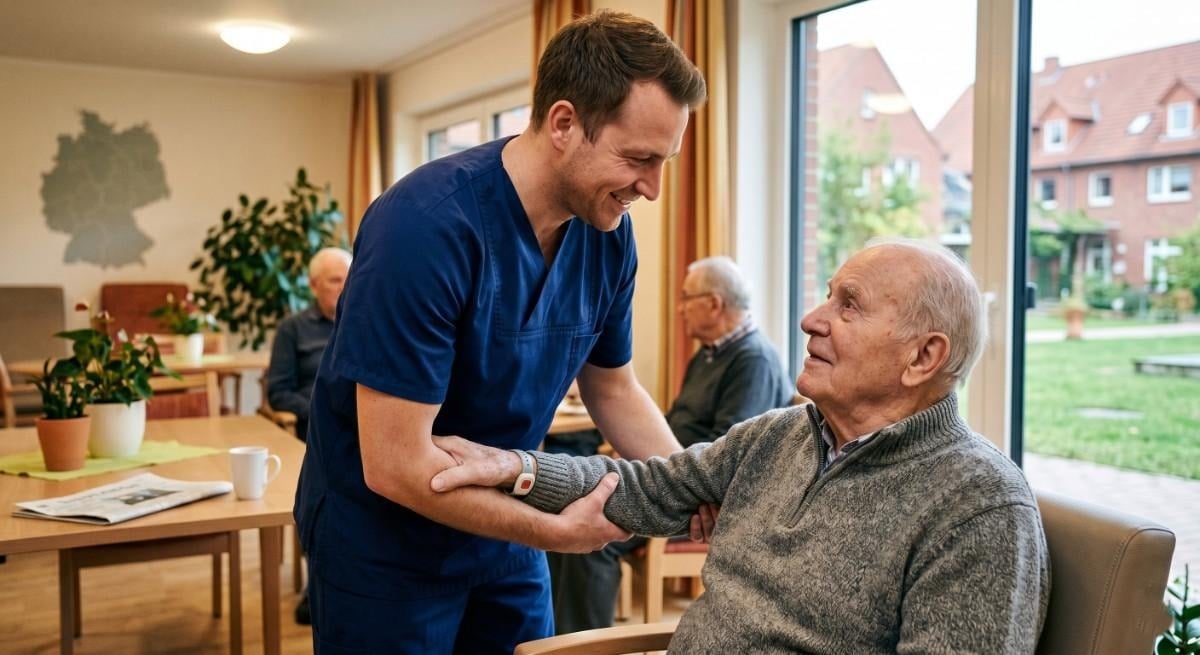
Germany is known for its strong economy, advanced healthcare system, and high quality of life. Behind this well-structured healthcare network stands a workforce that plays a vital role every single day - caregivers. From elderly support to patient assistance in hospitals and nursing homes, caregiving has become one of the most stable and respected professions in the country.
As Germany’s population continues to age, the demand for qualified caregivers is growing rapidly. This increasing need has made caregiving not only a meaningful profession but also one of the most secure career choices for both local and international professionals. Institutions like TSA Bildungsakademie help students and professionals build strong careers in the healthcare and caregiving sector through practical education and professional training programs.
Germany has one of the oldest populations in Europe. Millions of elderly people require daily assistance, medical care, and emotional support. According to healthcare reports, the shortage of skilled caregivers is expected to increase significantly over the coming years.
This shortage has created excellent job stability for individuals entering the caregiving field. Unlike industries affected by automation or economic uncertainty, caregiving remains a profession that depends heavily on human compassion, communication, and support.
Healthcare facilities across Germany are actively searching for trained professionals in:
Elderly care homes
Rehabilitation centers
Hospitals
Home care services
Disability support centers
Assisted living facilities
Because of this constant demand, caregiving professionals often experience long-term employment opportunities and steady career growth.
One of the biggest advantages of becoming a caregiver in Germany is career stability. Many industries face uncertainty due to changing technology and economic conditions, but healthcare continues to grow every year.
Caregivers are essential workers. Their services cannot be replaced by machines or temporary trends. People will always need support during illness, recovery, aging, or disability. This makes caregiving one of the safest professions for the future.
Employers in Germany highly value trained caregivers because they directly contribute to patient well-being and quality of life.
Qualified professionals often receive:
Permanent employment contracts
Stable monthly income
Social security benefits
Health insurance coverage
Paid vacations
Retirement support
For many individuals looking for a dependable career path, caregiving provides financial security along with personal satisfaction.
Many careers provide income, but caregiving offers something deeper — the chance to positively impact lives every day. Caregivers support people during some of the most challenging moments of their lives.
Whether helping an elderly patient with daily activities or offering emotional comfort to someone recovering from illness, caregivers become an important part of the healthcare journey.
This emotional connection often brings a strong sense of fulfillment and purpose. Caregivers frequently describe their work as rewarding because they can see the direct difference they make in someone’s life.
In Germany, caregivers are respected for their dedication, patience, and compassion. The profession continues to gain recognition as healthcare systems place greater importance on quality patient care.
Germany has opened many doors for international healthcare workers. Due to the increasing shortage of qualified staff, foreign caregivers now have better opportunities to work and build careers in the country.
Many training institutions support international students through professional education, language preparation, and career guidance. This creates a smoother pathway toward employment in Germany’s healthcare sector.
International caregivers benefit from:
High demand for skilled workers
Career growth opportunities
Attractive salary structures
Professional development programs
Opportunities for permanent residence pathways
For individuals seeking stable employment abroad, caregiving in Germany has become an attractive option with long-term potential.
Quality training plays a major role in building a successful caregiving career. Germany’s healthcare sector requires caregivers to possess both practical skills and professional knowledge.
Training programs offered by educational institutions focus on areas such as:
Patient care techniques
Emergency response
Hygiene and safety standards
Communication skills
Elderly support methods
Medical assistance basics
These programs prepare students to confidently handle real-life caregiving responsibilities in hospitals, clinics, and care facilities.
Professional education also improves employability because employers prefer candidates with certified qualifications and hands-on training experience.
Caregiving is not limited to one position or career level. Many professionals begin with basic caregiving roles and later advance into specialized healthcare careers.
With experience and additional qualifications, caregivers can move into:
Senior caregiving positions
Nursing support roles
Healthcare administration
Rehabilitation assistance
Specialized elderly care
Patient coordination services
This career flexibility allows individuals to continuously improve their professional skills and increase their earning potential over time.
The healthcare sector in Germany strongly encourages skill development and professional advancement, making caregiving a career with long-term progression opportunities.
Healthcare systems constantly evolve with new medical practices, technologies, and patient care methods. This is why professional learning never truly stops in the caregiving field.
Many healthcare professionals choose Continuing Education for Nurses to improve theirexpertise and stay updated with modern healthcare standards. Advanced learning programs help caregivers and nurses strengthen their practical knowledge, communication abilities, and patient management skills.
Continuous education also improves career prospects by opening doors to leadership roles and specialized healthcare positions. Employers often prefer candidates who actively invest in their professional growth and skill development.
Caregiving provides both emotional satisfaction and financial stability. While the profession requires patience and responsibility, it also offers strong personal rewards.
Some key benefits include:
Stable and reliable income
Growing job opportunities
Respect within society
Emotional fulfillment
Opportunities for specialization
Strong work-life balance in many facilities
Germany’s healthcare system also supports fair labor conditions, helping caregivers maintain long-term career stability and professional satisfaction.
Many modern industries are experiencing rapid automation, but caregiving remains deeply human-centered. While technology can assist healthcare workers with equipment and digital systems, emotional care and personal interaction cannot be replaced by machines.
Patients often need compassion, empathy, understanding, and emotional reassurance — qualities that only trained caregivers can provide. This makes caregiving one of the few professions expected to remain consistently valuable in the future.
As the elderly population grows, human caregivers will continue to play a critical role in maintaining quality healthcare services across Germany.
Educational preparation is one of the most important steps toward building a secure career in caregiving. TSA Bildungsakademie focuses on providing practical healthcare education designed to meet Germany’s growing workforce demands.
Students benefit from:
Industry-focused training programs
Experienced instructors
Practical learning environments
Career-oriented education
Supportive learning atmosphere
By combining professional knowledge with practical caregiving skills, students can confidently prepare for long-term careers in Germany’s healthcare industry.
Caregiving has become one of Germany’s most secure and future-proof careers. The country’s aging population, growing healthcare demands, and shortage of qualified professionals continue to create strong employment opportunities for caregivers.
Beyond financial stability, caregiving offers something truly valuable - the ability to improve lives through compassion and support. With proper training, career development opportunities, and continuous learning, caregivers can build rewarding and long-lasting careers in Germany’s healthcare sector.
For individuals searching for a stable profession with purpose, respect, and long-term opportunities, caregiving stands out as one of the strongest career choices available today.
Our expert team at TSA is dedicated to providing valuable insights and practical guidance for your professional development journey. We combine years of industry experience with the latest educational trends to bring you content that matters.