
AI Training
How AI Is Transforming the German Job Market?
6/5/2026
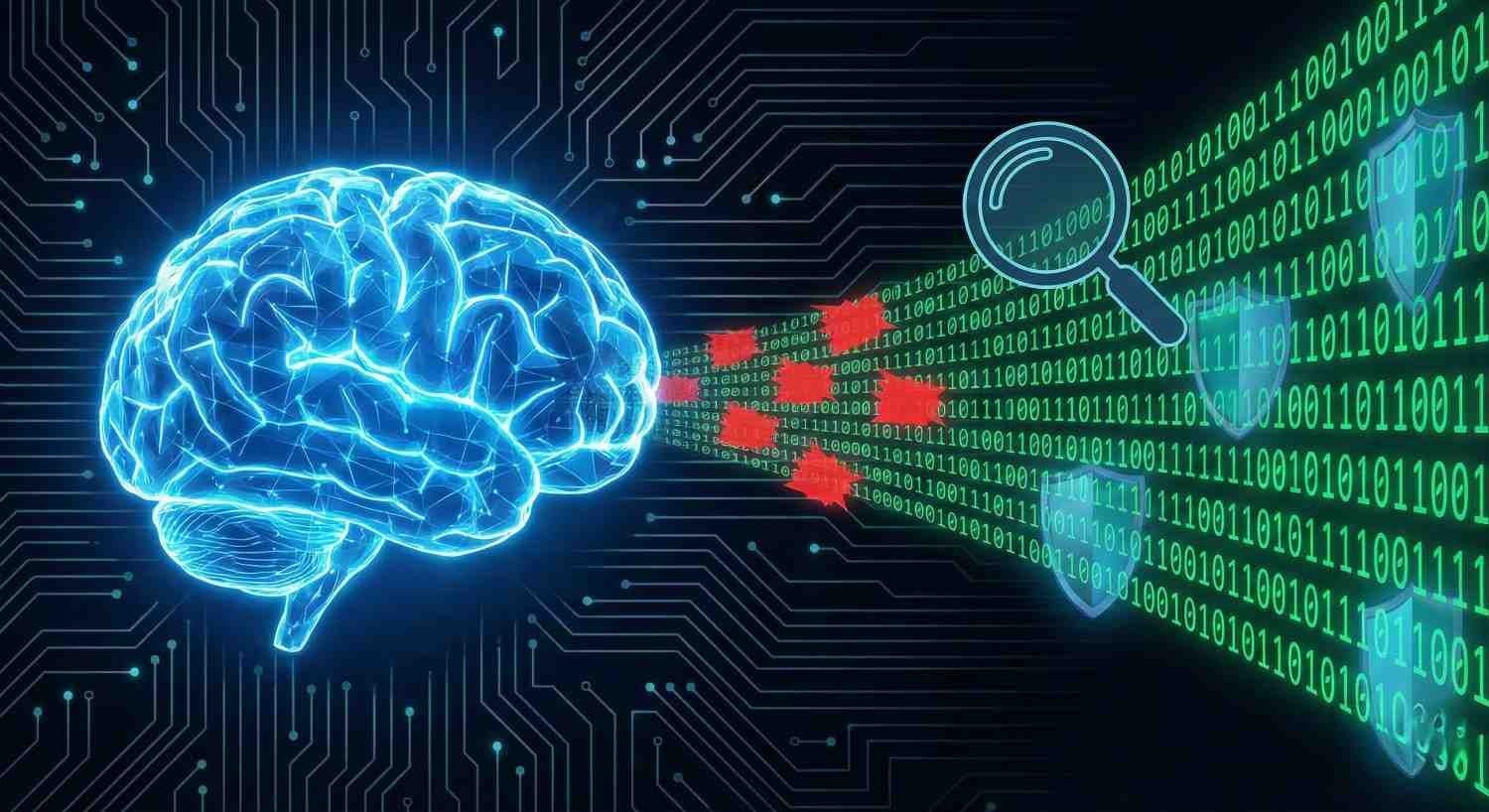
In today’s hyper-connected digital world, cyber threats are evolving faster than ever before. Businesses, educational institutions, and government organizations are facing sophisticated attacks that traditional security systems often struggle to detect. This is where Artificial Intelligence (AI) steps in as a game-changer. Understanding the benefits of AI in threat detection is no longer optional - it is essential for organizations that want to stay protected, competitive, and future-ready.
Institutions like TSA Bildungsakademie Berlin are increasingly focusing on AI-driven cybersecurity education, helping professionals build the right skills for modern digital defense. Let’s explore why AI is revolutionizing cybersecurity and how organizations can leverage it effectively.
Artificial Intelligence in cybersecurity refers to the use of machine learning, data analytics, and automation tools to identify, analyze, and respond to cyber threats. Unlike traditional rule-based systems, AI continuously learns from patterns, behaviors, and data inputs. This adaptability is one of the core benefits of AI in threat detection, as it allows systems to evolve alongside new attack strategies.
AI cybersecurity tools can process vast amounts of information in seconds, making them highly efficient compared to manual monitoring. From AI risk analysis to intelligent threat monitoring, AI systems help organizations stay proactive instead of reactive.
Threat detection is the process of identifying malicious activities within a digital network before they cause damage. Traditional methods relied heavily on signature-based detection, which often failed against new or unknown threats. Today, automated threat detection powered by artificial intelligence security tools is far more effective.
The shift toward AI threat detection systems is driven by the growing need for real-time cyber threat detection, predictive cybersecurity, and automated cyber defense systems. These technologies are now considered essential components of modern digital security automation strategies.
One of the major benefits of AI in threat detection is speed. AI systems can analyze millions of data points instantly, allowing organizations to detect suspicious activity in real time. Automated security systems operate 24/7, ensuring no vulnerability goes unnoticed.
Real-time AI network security monitoring reduces response time dramatically, minimizing the damage caused by cyber attacks. This speed advantage is among the most impactful benefits of AI in threat detection for enterprises.
Traditional security software often generates false alarms, wasting valuable time and resources. AI-powered security software learns from past data and improves its accuracy over time. This intelligent filtering significantly reduces false positives.
Better accuracy is another critical benefit of AI in threat detection, as security teams can focus on genuine threats instead of chasing irrelevant alerts. Machine learning security algorithms enhance decision-making and improve overall protection.
Cyber threats don’t follow office hours. Automated threat detection systems powered by AI provide continuous surveillance without fatigue. This uninterrupted protection is one of the strongest benefits of AI in threat detection, especially for global organizations operating across time zones.
Smart security solutions ensure that networks remain protected even during weekends, holidays, or peak traffic periods.
AI doesn’t just detect threats - it predicts them. By analyzing historical patterns and behavioral analytics security data, AI systems can forecast potential vulnerabilities before they are exploited. This proactive approach is one of the forward-looking benefits of AI in threat detection that sets AI apart from traditional cybersecurity methods.
Predictive cybersecurity allows companies to implement preventive measures rather than reacting after an incident occurs.
Maintaining a large cybersecurity team can be expensive. Automated cyber defense systems reduce the need for constant manual oversight, making security operations more cost-effective. This financial advantage is another significant benefit of AI in threat detection for small and medium-sized enterprises.
By integrating AI security tools, organizations can allocate human resources toward strategic planning instead of routine monitoring.
As organizations grow, so does their digital infrastructure. AI-driven cyber defense strategies scale effortlessly with increased data volume and network complexity. Scalability is one of the long-term benefits of AI in threat detection, ensuring consistent performance regardless of company size.
Whether a startup or multinational corporation, AI security tools adapt seamlessly to changing demands.
AI systems can automatically isolate compromised devices, block suspicious IP addresses, and initiate recovery protocols. This rapid response is one of the operational benefits of AI in threat detection that minimizes downtime and data loss.
Improved incident response capabilities also enhance trust among customers and stakeholders.
AI cybersecurity is widely used across industries:
Finance: Fraud detection and transaction monitoring
Healthcare: Patient data protection and intrusion detection systems
Education: Secure digital learning platforms and AI training berlin initiatives
Government: National defense and intelligence analysis
Educational institutions focusing on Further education in Berlin programs are increasingly incorporating cybersecurity AI modules to prepare students for high-demand careers. Courses related to Cybersecurity with AI are also gaining popularity as organizations recognize the strategic value of AI-driven protection.
Despite its advantages, AI is not without challenges. High implementation costs, privacy concerns, and dependence on quality data remain significant issues. Additionally, cybercriminals are also using AI to develop more advanced attacks.
Understanding both the strengths and limitations helps organizations maximize the benefits of AI in threat detection while minimizing risks. A balanced approach combining AI with human expertise yields the best results.
The future of digital security lies in collaboration between humans and machines. AI will continue to evolve, integrating deeper behavioral analytics, smarter intrusion detection systems, and more accurate predictive models. The expanding field of AI cybersecurity will create new career opportunities, especially for professionals pursuing AI training in Berlin and advanced certifications.
Organizations investing in skill development and technology adoption will gain a competitive edge in the global market. The continuous innovation cycle ensures that the benefits of AI in threat detection will only grow stronger in the coming years.
Cybersecurity education plays a vital role in bridging the talent gap. Institutions offering Further education in Berlin programs and specialized Cybersecurity mit KI courses are empowering learners with practical knowledge. Internal learning resources, workshops, and certification programs help professionals stay updated with evolving technologies.
Investing in knowledge is just as important as investing in tools. The long-term benefits of AI in threat detection are fully realized only when organizations cultivate skilled professionals who understand both AI systems and cybersecurity principles.
The digital landscape is becoming increasingly complex, and cyber threats are more sophisticated than ever. The benefits of AI in threat detection extend far beyond speed and automation - they include accuracy, scalability, predictive insights, cost efficiency, and enhanced incident response. Businesses that embrace AI-driven cybersecurity solutions position themselves for stronger resilience and long-term success.
From automated security systems to predictive cybersecurity and AI-powered security software, the transformation is undeniable. By combining technology, education, and strategic planning, organizations can unlock the full benefits of AI in threat detection and create a safer digital future for everyone.
Our expert team at TSA is dedicated to providing valuable insights and practical guidance for your professional development journey. We combine years of industry experience with the latest educational trends to bring you content that matters.