Security & Safety
§34a Costs of the Competency Exam in Germany
4/15/2026
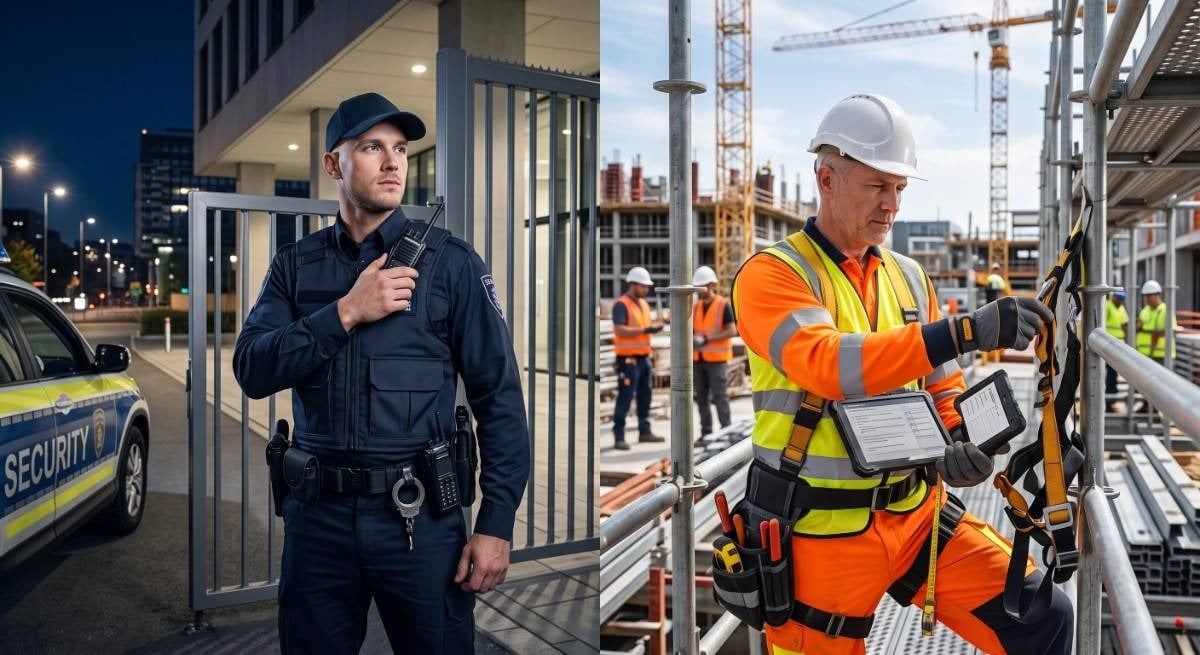
Choosing the right career in the security and safety industry can open the door to long-term professional growth and stable employment. Two of the most popular career paths are becoming a Security Guard or a Safety Officer. Although these professions share the common goal of protecting people and property, their responsibilities, required qualifications, and career opportunities differ significantly.
If you are planning a career in Germany's growing security sector, understanding these differences will help you decide which profession best matches your interests, skills, and future goals. At TSA Bildungsakademie, aspiring professionals receive practical, industry-focused training that prepares them for rewarding careers in both fields.
A Security Guard is responsible for maintaining order, protecting property, preventing crime, and ensuring the safety of employees, visitors, and customers. Security guards are commonly employed in shopping centers, office buildings, airports, hospitals, construction sites, factories, public events, and residential communities.
Their primary objective is to prevent incidents before they occur while responding quickly to emergencies.
Typical Responsibilities
Monitoring entrances and exits
Patrolling buildings and surrounding areas
Checking visitor identification
Reporting suspicious activities
Operating surveillance systems
Responding to emergencies
Protecting company assets
Assisting law enforcement when necessary
Security guards serve as the first line of defense against theft, vandalism, trespassing, and other security threats.
Unlike security guards, Safety Officers focus primarily on workplace health and safety. Their goal is to prevent accidents, reduce occupational hazards, and ensure organizations comply with safety regulations.
Safety officers work in industries such as manufacturing, logistics, construction, healthcare, transportation, and engineering.
Their responsibilities are more preventive and administrative than protective.
Typical Responsibilities
Conducting workplace safety inspections
Identifying hazards before accidents occur
Preparing risk assessments
Developing emergency response plans
Ensuring compliance with legal regulations
Providing employee safety training
Investigating workplace accidents
Recommending improvements to safety procedures
Rather than stopping criminal activity, safety officers focus on creating safer working environments.
Security Guard
Protects people and property
Prevents theft and criminal activities
Patrols assigned areas
Monitors surveillance systems
Responds to security emergencies
Works in public and private facilities
Safety Officer
Protects employee health and workplace safety
Prevents workplace accidents
Conducts inspections and audits
Evaluates workplace hazards
Develops safety procedures
Works mainly in industrial and corporate environments
Both careers are important, but they require different skill sets and professional interests.
Successful security guards possess strong observation skills and remain alert in challenging situations.
Essential qualities include:
Excellent communication skills
Physical fitness
Quick decision-making
Problem-solving ability
Attention to detail
Professional attitude
Integrity and honesty
Calm behavior under pressure
Because security guards often interact with the public, professionalism and customer service skills are also valuable.
Safety officers require analytical thinking and technical knowledge to identify workplace risks.
Important skills include:
Risk assessment
Leadership
Report writing
Knowledge of workplace regulations
Critical thinking
Attention to detail
Communication and training skills
Emergency planning
Safety officers often collaborate with management teams to improve workplace safety standards.
The educational requirements differ depending on the career path you choose.
Individuals interested in becoming security professionals in Germany often begin with the 34a General Knowledge Exam Course, which provides the legal knowledge and practical foundation required to work in many areas of the private security industry. This qualification is an excellent starting point for building a successful career in security.
Those interested in workplace safety may pursue occupational health and safety certifications depending on their industry and employer requirements.
Security professionals are in high demand due to increasing concerns about public safety and property protection.
Possible workplaces include:
Corporate offices
Airports
Shopping malls
Hotels
Banks
Government facilities
Hospitals
Event venues
Logistics centers
Industrial sites
With experience, security guards can advance into supervisory or management positions.
Professionals who complete Security Services Training gain practical knowledge, legal awareness, and confidence that employers highly value, making them more competitive in today's job market.
Safety officers enjoy diverse career opportunities across multiple industries.
Common employers include:
Manufacturing companies
Construction firms
Warehouses
Logistics companies
Energy providers
Hospitals
Public organizations
Engineering companies
As workplace regulations become stricter, qualified safety professionals continue to experience growing demand worldwide.
Both careers offer stable employment and opportunities for advancement.
Career progression may include:
Senior Security Guard
Security Supervisor
Control Room Operator
Security Manager
Corporate Security Consultant
Career advancement may include:
Senior Safety Officer
Health and Safety Manager
Compliance Manager
Risk Management Specialist
Occupational Safety Consultant
The earning potential generally increases with experience, certifications, and specialized training.
A Security Guard career may be ideal if you:
Enjoy active work
Like interacting with people
Stay calm during emergencies
Want a fast-paced work environment
Prefer protecting people and property
A Safety Officer career may be better if you:
Enjoy planning and analysis
Like solving workplace problems
Prefer office and field inspections
Are interested in regulations and compliance
Want to improve organizational safety
Understanding your strengths and career goals can help you choose the profession that best suits your interests.
Regardless of your chosen career, quality education significantly improves your employment prospects.
Professional training helps you:
Build industry-specific knowledge
Learn current regulations
Improve practical skills
Increase employer confidence
Enhance career opportunities
Prepare for certification requirements
Employers consistently seek candidates who combine technical knowledge with hands-on experience.
For professionals seeking long-term career growth, Continuing Education in Berlin offers valuable opportunities to develop new skills, stay updated with industry standards, and remain competitive in an evolving job market.
Whether you choose to become a Security Guard or a Safety Officer, investing in professional education is the first step toward a successful future. TSA Bildungsakademie provides practical, career-focused programs designed to prepare students for Germany's evolving security industry.
With experienced instructors, modern training methods, and industry-relevant courses, students gain the confidence and knowledge needed to succeed in real-world environments. Whether your goal is protecting people, ensuring workplace safety, or advancing into leadership roles, the right training can make all the difference.
Both Security Guards and Safety Officers play essential roles in creating safer environments, but they contribute in different ways. Security Guards focus on protecting people and property, while Safety Officers concentrate on preventing workplace hazards and ensuring regulatory compliance.
Your choice should depend on your interests, strengths, and long-term career goals. If you enjoy active security operations and public interaction, a Security Guard career may be the perfect fit. If you prefer risk management, workplace inspections, and safety planning, becoming a Safety Officer could be the better path.
No matter which profession you choose, obtaining quality training from TSA Bildungsakademie will provide the skills, confidence, and qualifications needed to build a successful and rewarding career in Germany's growing security sector.
Our expert team at TSA is dedicated to providing valuable insights and practical guidance for your professional development journey. We combine years of industry experience with the latest educational trends to bring you content that matters.