Care & Support
Why Caregiving Is One of Germany’s Most Secure Careers?
6/4/2026

The care sector in Germany continues to grow rapidly, and with it the demand for well-trained care and support assistants. Among the most essential roles in modern long-term care are professionals certified according to 43b and 53b regulations. Their work focuses on providing emotional support, daily life assistance, and meaningful activities for residents in care facilities.
In this article, we explore the Key Duties of 43b and 53b Nursing Care Assistants, the skills required, and how these professionals enrich the quality of life for elderly and cognitively impaired individuals. We also introduce the upcoming training course at TSA Bildungsakademie Berlin, beginning February 9, 2026.
Before diving into the Key Duties of 43b and 53b, it's important to understand who these professionals are. Care and support assistants trained under these regulations specialize in everyday support, social engagement, and activation. They are not nurses, nor do they perform medical procedures. Instead, they create a safe, structured, and emotionally supportive environment for seniors, especially those living with dementia, mobility limitations, or cognitive challenges.
These assistants are employed in nursing homes, day-care centers, assisted living facilities, and ambulatory care services. Their focus on emotional well-being and daily structure makes them an essential part of a holistic care team.
As life expectancy increases and more individuals require long-term care, the need for professionals trained in person-centered support grows. The Key Duties of 43b and 53b care assistants help close the gap between medical care and emotional well-being.
They reduce stress for nursing staff, support daily routines, and ensure that residents remain socially engaged and mentally stimulated. This balanced approach to care significantly improves overall quality of life - a central goal in modern elder care.
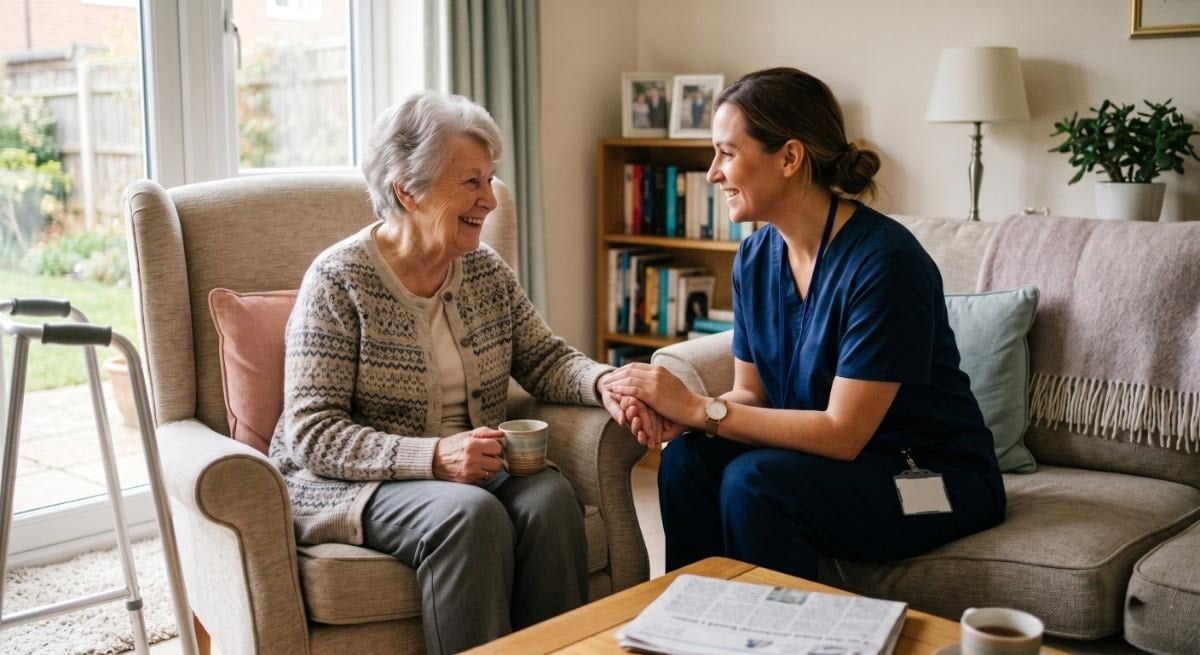
A core element within the Key Duties of 43b and 53b is emotional support. Many residents in care homes struggle with loneliness, confusion, or fear due to cognitive or physical limitations. Care assistants help by:
This consistent presence fosters a sense of safety and belonging.
Daily life assistance forms another major part of the Key Duties of 43b and 53b Nursing Care Assistants. While they do not perform medical tasks, they help residents manage their everyday routines by:
This guidance helps residents feel more grounded and confident.
Activation and cognitive stimulation are essential elements of resident well-being. Care assistants design and lead activities that promote mental, emotional, and social health.
Examples include:
These activities support cognitive function, reduce anxiety, and encourage meaningful participation.
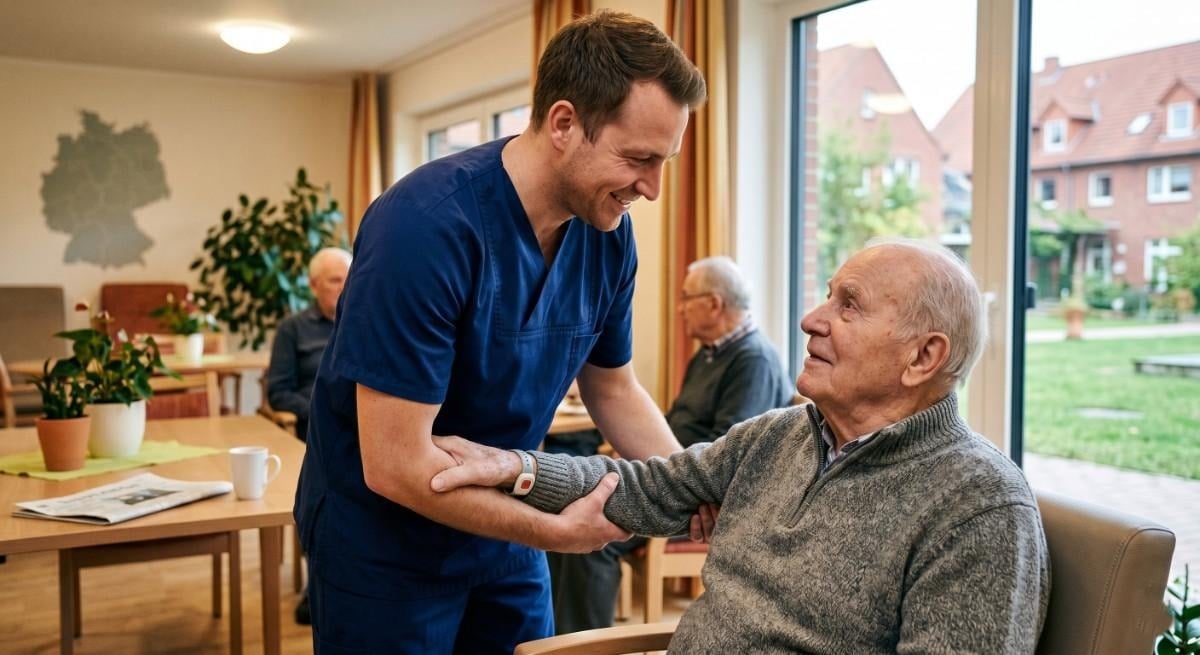
Another key duty is supporting residents in safe mobility. While care assistants do not perform professional physiotherapy, they can:
This type of support helps prevent isolation and promotes physical well-being.
Every activity, change in behavior, or observation must be documented and communicated clearly. Proper documentation ensures:
Effective communication and teamwork are essential parts of the Key Duties of 43b and 53b professionals.
Care assistants regularly collaborate with:
They share observations, coordinate activities, and ensure that the care plan aligns with each resident’s abilities and needs.
To maintain safety and clear role boundaries, care assistants:
These tasks remain the responsibility of qualified nursing staff. Understanding this distinction helps ensure safe, well-coordinated care.
To perform the Key Duties of 43b and 53b effectively, assistants receive specialized training that typically includes:
Training focuses on:
These skills prepare care assistants to work confidently in a variety of care environments.
For those seeking nursing assistant training in Berlin, TSA Bildungsakademie Berlin is one of the leading educational institutions specializing in activation and care support training.
Our graduates are highly sought after in Berlin’s expanding care sector.
Start Date: February 9, 2026
This program is designed for individuals who are compassionate, patient, and eager to make a meaningful difference in the lives of seniors. Students will learn all theoretical foundations, participate in practical training, and graduate with a recognized qualification.
Early registration is recommended due to high demand.
The Key Duties of 43b and 53b Nursing Care Assistants play a vital role in today’s care landscape. Through emotional support, daily life guidance, activation activities, documentation, and teamwork, these professionals significantly improve the well-being and independence of residents in long-term care settings.
As the need for skilled care assistants continues to rise across Germany, this qualification provides excellent career opportunities, especially for those seeking meaningful, people-centered work.
If you are ready to begin a fulfilling career in care, we invite you to join our upcoming training course starting February 9, 2026, at TSA Bildungsakademie Berlin.
Our expert team at TSA is dedicated to providing valuable insights and practical guidance for your professional development journey. We combine years of industry experience with the latest educational trends to bring you content that matters.