Care & Support
Home Care vs Nursing Home Careers: Which Path Is Right for You?
8/20/2026
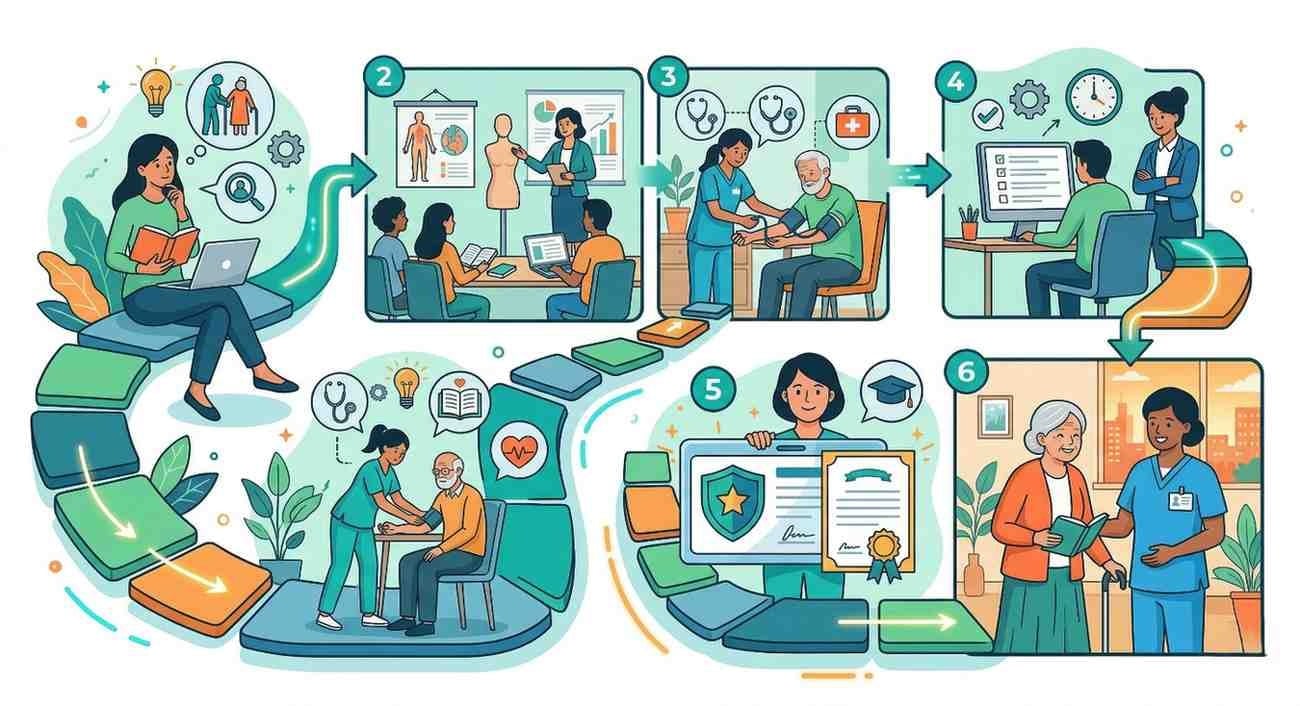
The demand for skilled caregivers is rising rapidly across the globe, especially in Germany. With an aging population and increasing need for professional healthcare support, caregiving has become one of the most stable and rewarding career paths today. If you are looking to start a meaningful career in healthcare, this guide on How to Become a Certified Caregiver Step by Step will walk you through everything you need to know from training to job opportunities in Berlin and beyond.
A certified caregiver is a trained professional who provides essential support to individuals who need assistance with daily living. This includes elderly people, patients recovering from illness, and individuals with disabilities.
Unlike nurses, caregivers focus more on personal care and emotional support rather than advanced medical procedures. Common responsibilities include:
Assisting with daily activities like bathing, dressing, and eating
Providing companionship and emotional support
Monitoring health conditions
Helping with medication reminders
Supporting mobility and basic physical activities
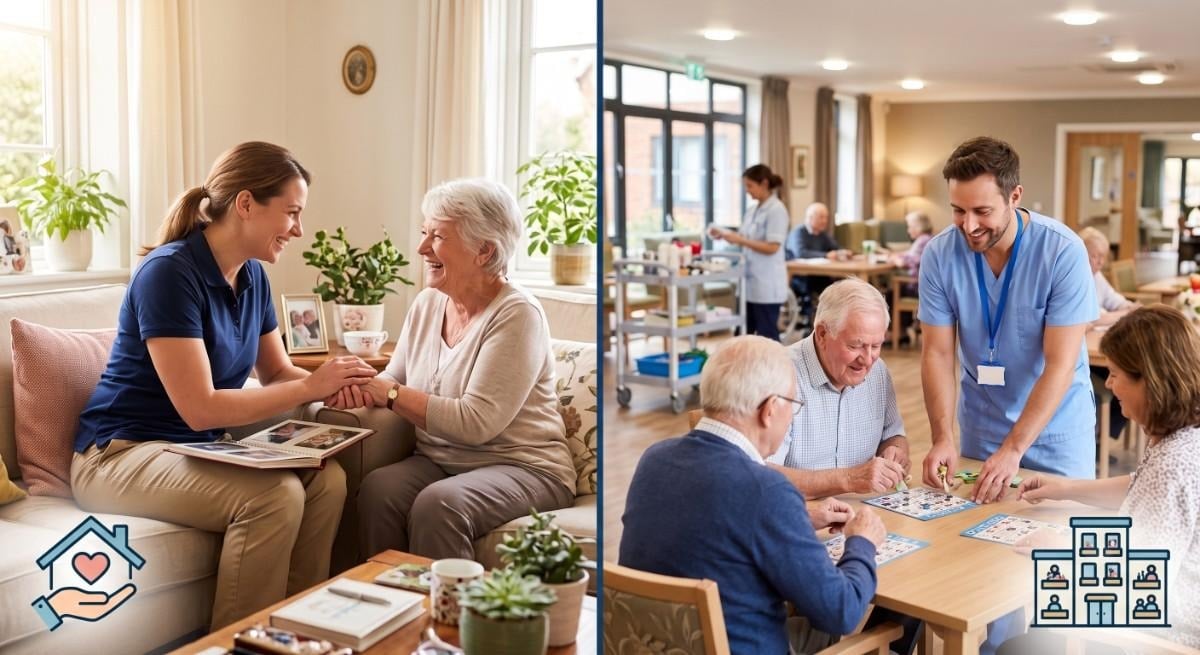
With proper caregiver training and certification, you can work in homes, hospitals, nursing facilities, or assisted living centers.
Germany, particularly Berlin, offers excellent opportunities for trained caregivers. Here’s why this career is worth considering:
High demand for elderly care professionals
Attractive salary packages compared to many countries
Opportunities for international candidates
Strong healthcare infrastructure
Career growth into specialized healthcare roles
Additionally, enrolling in a care and support course in Berlin can open doors to long-term employment and even permanent residency pathways in Germany.
Before starting your journey, it’s important to fully understand what caregiving involves. This profession requires patience, compassion, and strong communication skills.
You will be expected to:
Assist with personal hygiene and daily routines
Provide emotional support
Handle basic healthcare tasks
Work closely with families and healthcare professionals
Understanding these responsibilities helps you decide if caregiving is the right career path for you.
To enroll in a caregiver training program in Germany, you typically need:
A high school diploma or equivalent
Basic knowledge of English or German
Minimum age requirement (usually 18+)
Interest in healthcare and patient care
For international candidates, learning German can significantly improve your job prospects in Berlin.
The next step is to join a recognized caregiver course. Choosing the right institute is crucial for your career success.
A well-structured program should include:
Theoretical knowledge
Practical training
Internship opportunities
Institutions like TSA Bildungsakademie Berlin provide industry-focused training that prepares students for real-world caregiving roles. Their programs are designed to meet international healthcare standards, making it easier for students to secure jobs in Germany.
If you are exploring further education Berlin, enrolling in a professional caregiver course is a smart and career-focused decision.
Caregiver training programs typically cover essential topics such as:
Patient care basics
Hygiene and infection control
First aid and emergency response
Elderly care and dementia support
Nutrition and meal assistance
Practical training is equally important. Hands-on experience helps you build confidence and develop the skills needed to handle real-life caregiving situations.
Many programs in Berlin include internships or on-the-job training, which greatly enhances employability.
After completing your training, you will need to pass an assessment or exam to become certified. Certification proves that you have the necessary skills and knowledge to work as a professional caregiver.
Benefits of certification include:
Higher job opportunities
Better salary prospects
Recognition by employers
Eligibility to work internationally
Employers in Germany prefer candidates with formal caregiver certification, especially for roles in elderly care and home healthcare.
Experience plays a key role in building a successful caregiving career. After certification, consider:
Internships
Entry-level caregiver jobs
Volunteering in healthcare settings
Gaining real-world experience helps you improve your skills and makes your resume more attractive to employers.
Once you are trained and certified, you can start applying for jobs. Common job roles include:
Home caregiver
Elderly care assistant
Healthcare assistant
Personal support worker
To increase your chances of getting hired:
Create a professional resume highlighting your training and skills
Prepare for interviews with common caregiver interview questions
Apply through job portals, agencies, or training institutes
Berlin offers a wide range of opportunities for caregivers, especially those who have completed a care and support course in Berlin.
To excel in this profession, you need a combination of technical and soft skills:
Strong communication skills
Empathy and compassion
Physical stamina
Time management
Problem-solving abilities
These skills are often developed during caregiver training programs and improved through experience.
Caregiver salaries in Berlin can vary based on experience, qualifications, and workplace. On average:
Entry-level caregivers earn a moderate starting salary
Experienced caregivers can earn significantly higher
Specialized caregivers (e.g., dementia care) earn premium wages
Germany also offers benefits such as health insurance, paid leave, and job security, making it an attractive destination for caregivers.
Caregiving is not just a job - it’s a long-term career. With experience and additional training, you can advance to roles such as:
Senior caregiver
Nursing assistant
Specialized caregiver (dementia, palliative care)
Healthcare supervisor
Many professionals also pursue further education Berlin programs to transition into nursing or other healthcare professions.
While caregiving is rewarding, it also comes with challenges:
Physical demands
Emotional stress
Long working hours
Dealing with difficult patients
However, proper training and support systems can help you manage these challenges effectively.
If you are just starting out, keep these tips in mind:
Choose a recognized training institute
Focus on developing both technical and soft skills
Learn basic German for better job opportunities in Berlin
Stay patient and committed
Continuously upgrade your knowledge
Starting a career in caregiving can be one of the most fulfilling decisions you make. By following this guide on How to Become a Certified Caregiver Step by Step, you can build a stable and rewarding career in Berlin, Germany.
From enrolling in a professional training program to gaining certification and experience, each step plays a crucial role in your success. With the growing demand for healthcare professionals, now is the perfect time to enter this field.
If you are considering a future in healthcare, enrolling in a care and support course in Berlin and pursuing further education Berlin opportunities can help you achieve long-term career growth and stability.
Take the first step today and begin your journey toward becoming a certified caregiver in Germany.
Our expert team at TSA is dedicated to providing valuable insights and practical guidance for your professional development journey. We combine years of industry experience with the latest educational trends to bring you content that matters.