Security & Safety
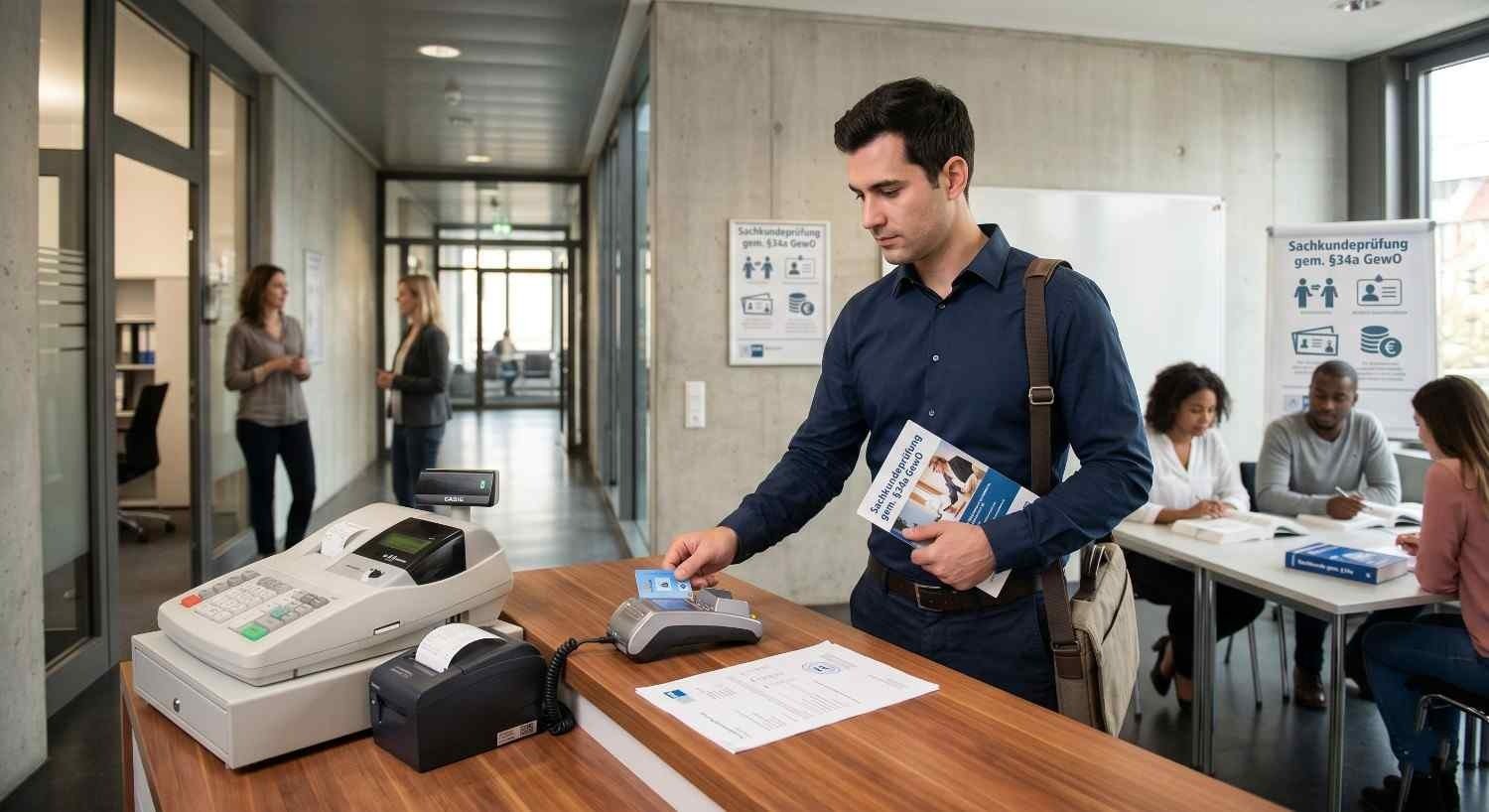
§34a Costs of the Competency Exam in Germany
4/15/2026

Becoming a certified security officer in Germany is a popular career choice for individuals seeking stable employment, legal recognition, and long-term growth in the security industry. With increasing demand for trained security professionals in Berlin and other major cities, proper certification is no longer optional - it is essential.
If you are planning to start your career in private security, understanding the required training timeline, certification process, and available learning paths will help you make the right decision. Institutions like TSA Bildungsakademie Berlin play an important role by offering structured programs aligned with German regulations.
A certified security officer in Germany is a professionally trained individual who meets the legal requirements defined under §34a of the German Trade Regulation Act (GewO). This certification confirms that the person understands legal responsibilities, conflict prevention, communication techniques, and basic safety procedures required in private security roles.
Certified security officers are employed across various sectors, including corporate offices, construction sites, retail locations, events, and public facilities. Without proper certification, access to these jobs is limited.
Private security services in Germany are regulated by §34a GewO. Under this law, security personnel must either complete mandatory instruction or pass a professional knowledge examination, depending on the role they want to perform.
This regulation ensures that every certified security officer in Germany has the legal awareness and professional competence needed to operate responsibly and safely. Training programs are designed to meet these legal standards, especially through Safety training §34a GewO Berlin.
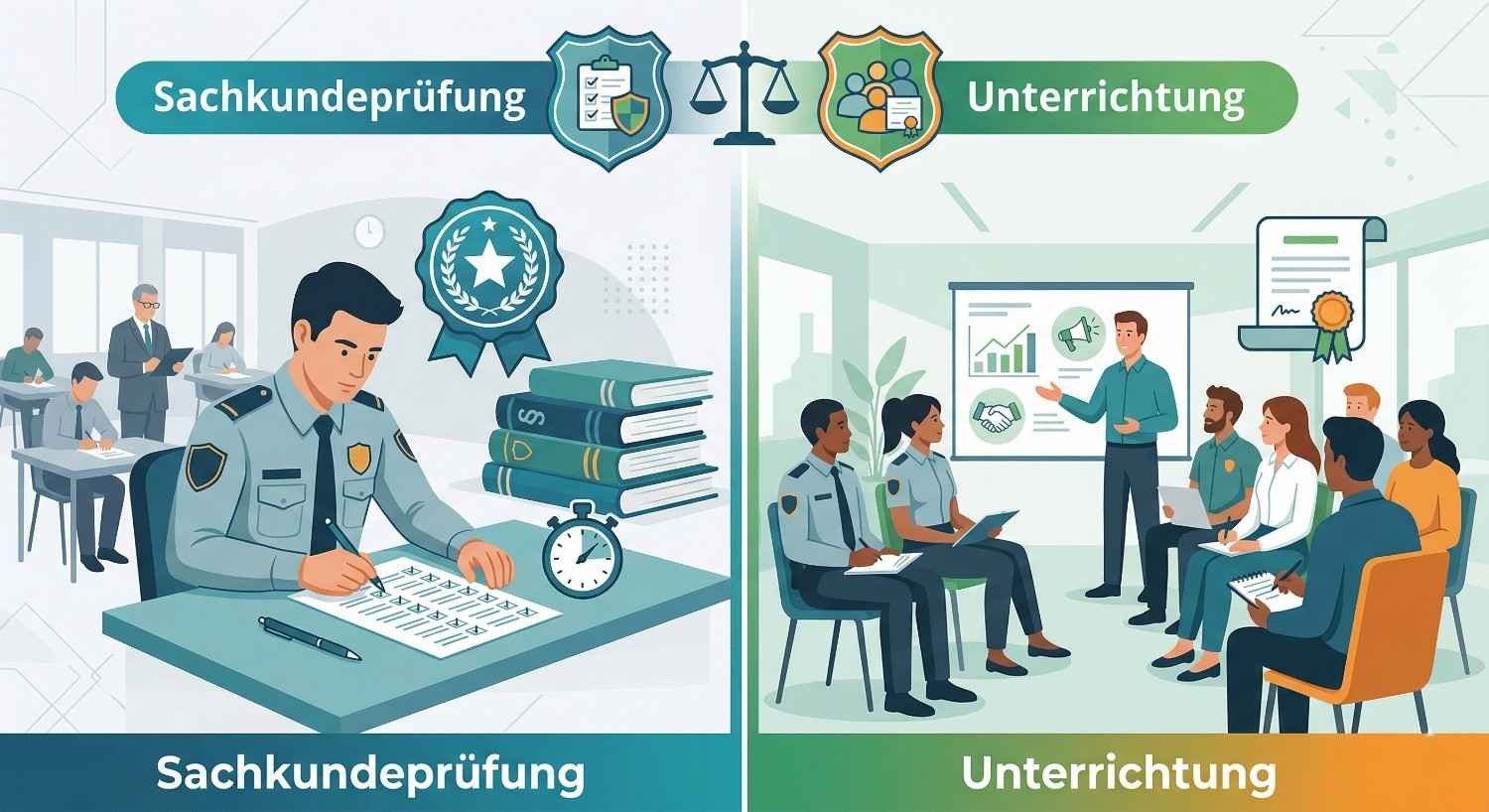
There are two main pathways to becoming a certified security officer in Germany, each with a different duration and career scope.
This is the entry-level qualification required for many standard security roles. The instruction course typically takes around 4 weeks when completed full-time. It focuses on legal basics, duties of security personnel, handling people, and core safety knowledge.
This option is ideal for those who want to enter the security industry quickly and begin working in supervised or lower-risk roles.
For higher-responsibility positions, the professional knowledge examination (Sachkundeprüfung) is required. Training for this certification usually takes about 3 months and includes in-depth legal education, practical security skills, and exam preparation.
Completing this pathway allows you to work independently in more demanding roles and strengthens your profile as a certified security officer in Germany.
The total time required depends on the certification path you choose.
If you complete only the instruction course, you can become a certified security officer in Germany in approximately 4 weeks. This is the fastest route into the industry.
If you aim for the full §34a Sachkunde certification, the process typically takes around 3 months, including training and examination preparation.
Some learners choose part-time or hybrid formats under Security Training Berlin, which may extend the timeline slightly but offer flexibility for working professionals.
While course durations are structured, several factors can influence how long it takes to become a certified security officer in Germany.
German language proficiency is one of the most important factors, as training and examinations are conducted in German. Strong language skills often lead to faster progress and better exam performance.
Previous experience in security or law enforcement can also make learning easier, although certification is still mandatory. Exam scheduling and success on the first attempt can further impact the overall timeline.
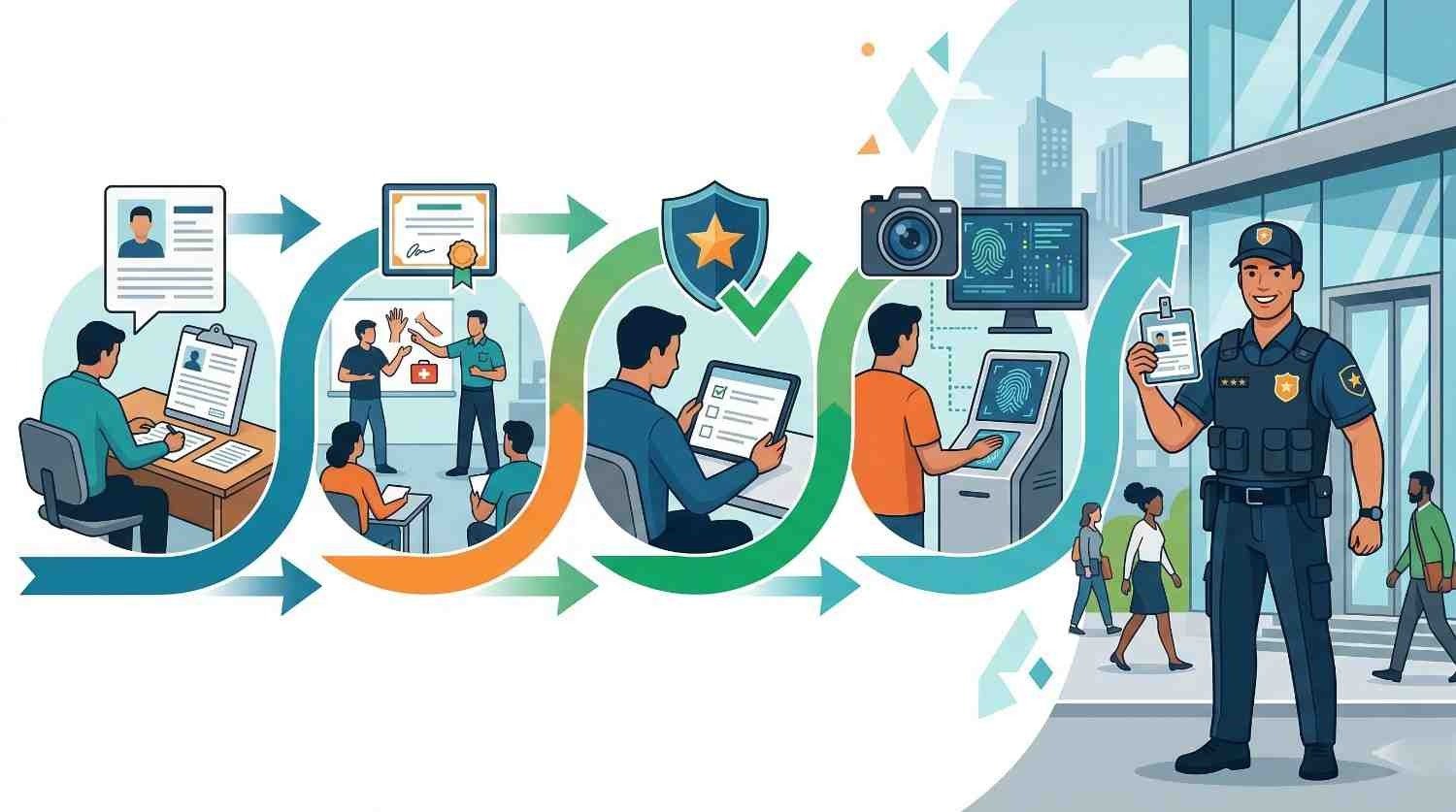
The journey to becoming a certified security officer in Germany usually follows a clear sequence.
First, you choose the appropriate certification level based on your career goals. Next, you enroll in a recognized training program, such as Security Training Berlin offered by TSA Bildungsakademie Berlin.
After completing the required training hours, candidates pursuing the Sachkunde certification register for the examination. Once the exam is passed, you are officially qualified to work as a certified security professional.
A certified security officer in Germany has access to a wide range of job opportunities. These include property protection, event security, access control, corporate security services, and public safety support roles.
Employers prefer certified professionals because certification demonstrates legal compliance, professionalism, and readiness for real-world security challenges. In cities like Berlin, demand remains consistently high.
Completing recognized Safety training §34a GewO Berlin ensures that security personnel are prepared not only for exams but also for real-life situations. Professional training improves decision-making, communication, and conflict management skills, which are essential in security work.
Institutions such as TSA Bildungsakademie Berlin focus on aligning training with industry expectations, helping learners transition smoothly into employment.
Becoming a certified security officer in Germany is a structured and achievable goal. Depending on your chosen path, the process can take as little as four weeks for basic instruction or around three months for full professional certification.
With the right training, commitment, and guidance from a trusted academy like TSA Bildungsakademie Berlin, you can build a stable and respected career in the German security sector. Investing in quality Security Training Berlin is not just about meeting legal requirements—it’s about building long-term professional success.
Our expert team at TSA is dedicated to providing valuable insights and practical guidance for your professional development journey. We combine years of industry experience with the latest educational trends to bring you content that matters.