Care & Support
Why Caregiving Is One of Germany’s Most Secure Careers?
6/4/2026
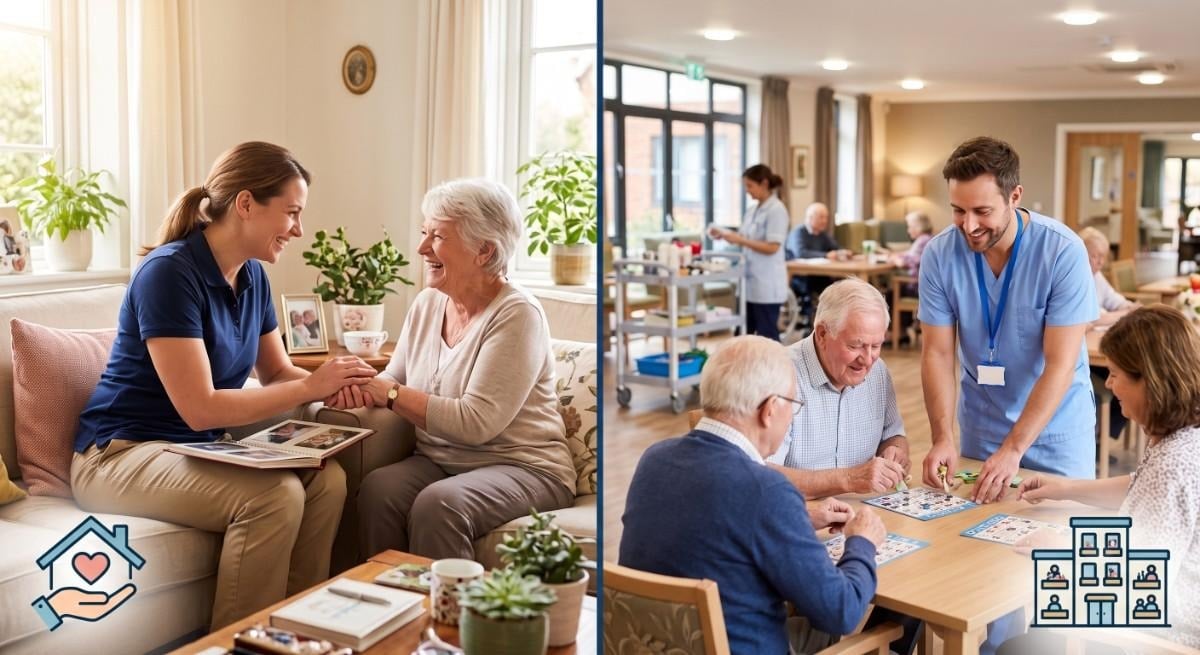
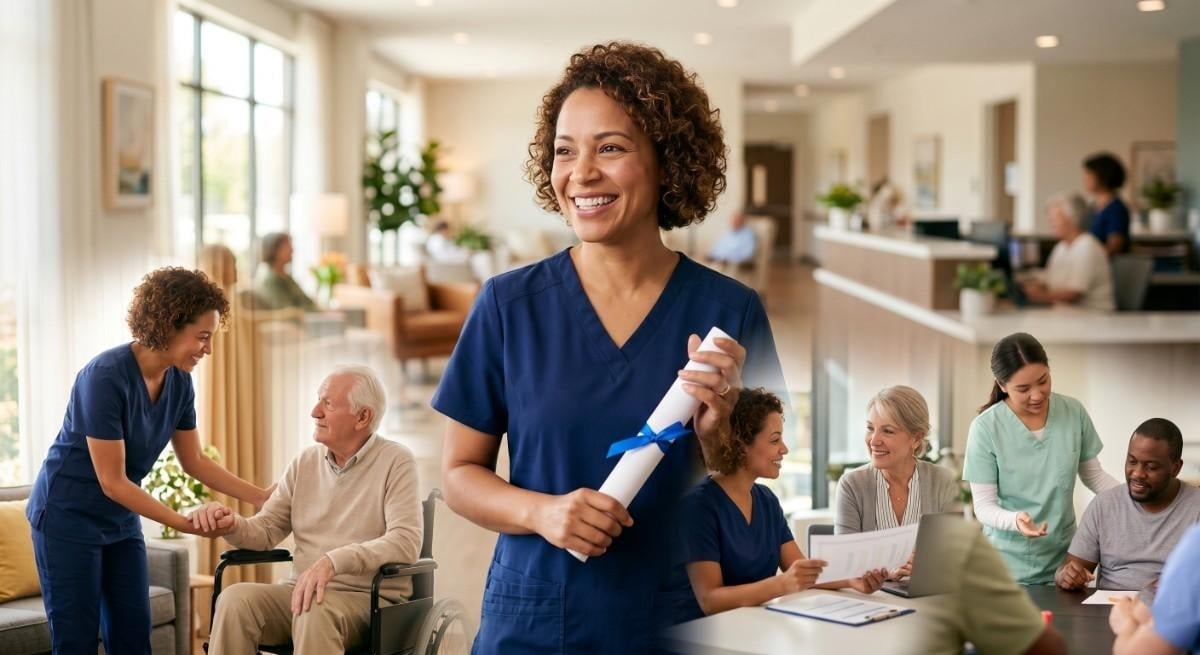
The healthcare industry continues to grow rapidly across Europe, creating rewarding career opportunities for compassionate individuals who want to make a meaningful difference. Among the many career options available, home care and nursing home careers stand out as two of the most fulfilling paths. While both involve supporting older adults, people with disabilities, or individuals recovering from illness, the day-to-day responsibilities, work environment, and career progression differ significantly.
If you are considering a future in healthcare, understanding the strengths and challenges of each career path can help you make the right decision. Whether you enjoy working independently or prefer being part of a larger care team, choosing the right environment will shape your professional satisfaction and long-term success.
Understanding Home Care Careers
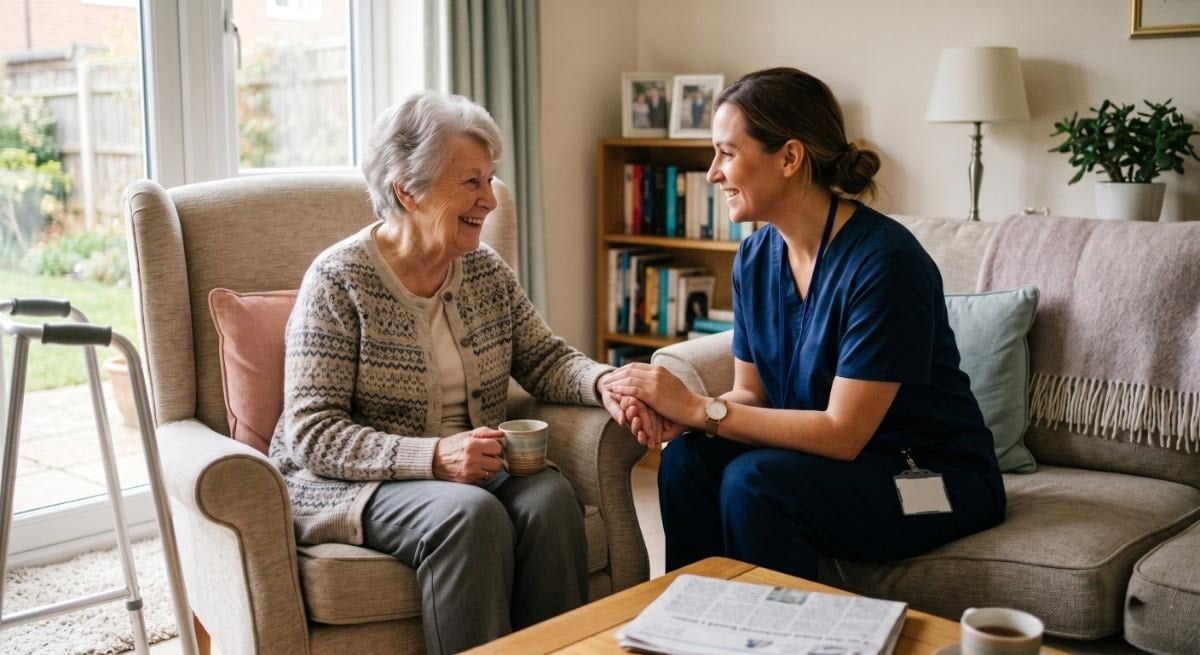
Home care professionals provide assistance to clients in their own homes rather than in healthcare facilities. Their primary goal is to help individuals maintain independence while receiving personalized support in familiar surroundings.
Daily responsibilities often include:
Assisting with personal hygiene and grooming
Helping with meal preparation
Supporting medication reminders
Providing companionship
Assisting with mobility
Performing light household duties
Unlike institutional settings, home care allows caregivers to build close relationships with clients and their families. Every visit is unique because every client's needs are different.
Home care professionals often travel between different homes during their shifts, making flexibility and time management essential skills.
Understanding Nursing Home Careers
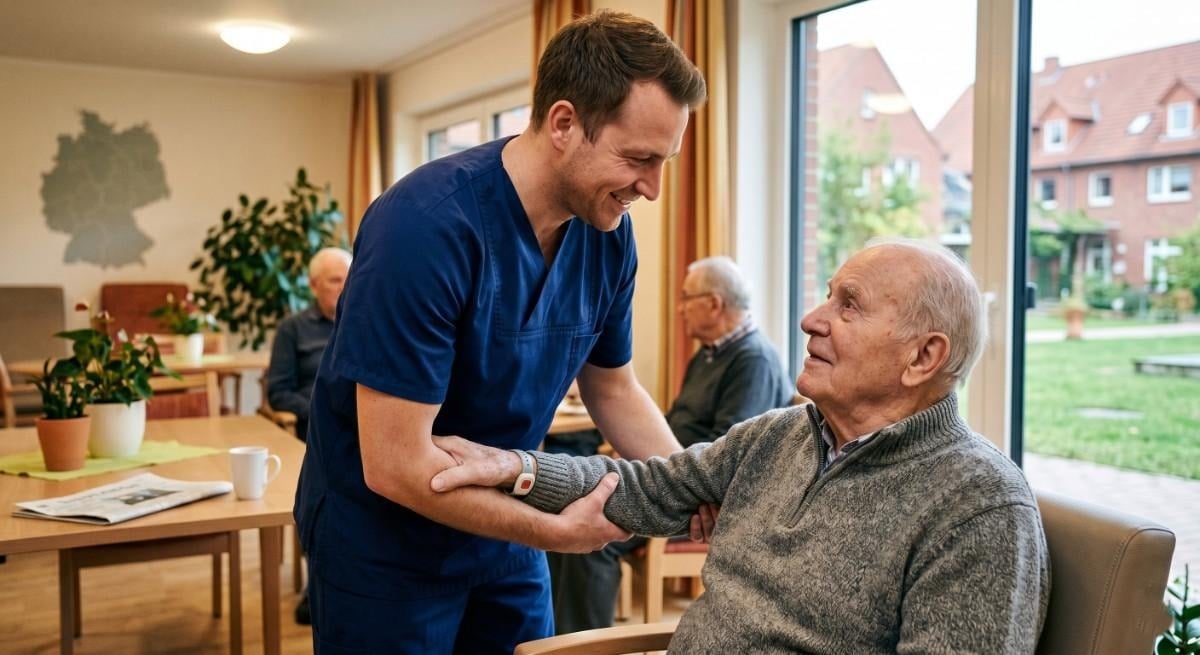
Nursing homes provide around-the-clock care for elderly residents and people requiring continuous medical supervision. These facilities employ teams of healthcare professionals who work together to deliver comprehensive care.
Typical duties include:
Monitoring residents' health conditions
Assisting with daily living activities
Coordinating with nurses and physicians
Recording patient observations
Supporting rehabilitation activities
Responding to emergencies
Unlike home care, nursing homes operate with structured schedules, clear procedures, and multidisciplinary teams that ensure consistent care for multiple residents simultaneously.
Comparing the Work Environment
One of the biggest differences between these careers is the workplace itself.
Home Care Environment
Working inside a client's home offers a calm and personal atmosphere. Caregivers usually work one-on-one, allowing them to provide individualized attention without constant interruptions.
Advantages include:
Greater independence
Flexible schedules
Strong client relationships
Personalized care plans
Less institutional atmosphere
However, caregivers must also adapt to different home environments and solve problems independently.
Nursing Home Environment
Nursing homes are highly organized healthcare facilities where professionals collaborate throughout every shift.
Benefits include:
Team support
Access to medical equipment
Structured workflows
Opportunities for mentorship
Immediate assistance during emergencies
The environment can also be faster paced, especially during busy shifts or when caring for residents with complex medical needs.
Daily Responsibilities: How They Differ
Although both careers focus on improving quality of life, the scope of work varies considerably.
Home caregivers generally spend extended periods with one individual, learning their routines, preferences, and emotional needs. This personalized approach often creates strong bonds between caregiver and client.
In nursing homes, professionals divide their attention among several residents. Time management, teamwork, and efficient communication become essential to maintaining high-quality care for everyone.
Neither role is easier than the other - they simply require different working styles.
Skills Needed for Success
Both career paths require compassion, patience, and professionalism, but certain skills become especially valuable depending on the work environment.
Successful home caregivers typically possess:
Independence
Excellent communication
Adaptability
Problem-solving abilities
Emotional intelligence
Meanwhile, nursing home professionals benefit from:
Team collaboration
Clinical observation skills
Organization
Multitasking
Stress management
Developing these abilities through Nursing Continuing Education helps healthcare professionals remain updated with modern care practices, patient safety standards, and evolving healthcare regulations. Continuous learning also improves career advancement opportunities and enhances confidence in delivering quality care.
Building Meaningful Relationships
One of the most rewarding aspects of caregiving is the opportunity to positively impact another person's life.
Home caregivers often become trusted companions. Over time, they witness milestones, celebrate progress, and provide emotional reassurance that extends beyond physical care.
In nursing homes, caregivers develop relationships with multiple residents while working closely alongside colleagues from different healthcare disciplines. This creates a strong sense of teamwork and community within the workplace.
Both environments offer emotional rewards, though the nature of these relationships differs.
Career Growth Opportunities
Healthcare careers rarely remain static. As experience increases, professionals can pursue specialized roles, supervisory positions, or additional certifications.
Home care professionals may eventually become:
Senior caregivers
Care coordinators
Home care supervisors
Case managers
Private care consultants
Nursing home professionals often advance into:
Senior care assistants
Ward supervisors
Rehabilitation coordinators
Quality assurance officers
Nursing management roles
Many employers actively encourage staff development through ongoing training and certification programs.
Salary and Job Stability
Healthcare remains one of the most stable industries worldwide due to growing aging populations and increasing demand for long-term care services.
Home care positions continue expanding as more seniors prefer aging comfortably in their own homes.
Similarly, nursing homes consistently require qualified professionals to support residents with varying medical and personal care needs.
Although salaries vary depending on location, experience, employer, and qualifications, both career paths generally offer stable employment and opportunities for long-term growth.
Flexibility vs Structure
Choosing between these careers often depends on your preferred working style.
Home care may be ideal if you appreciate:
Flexible scheduling
Independent work
Personalized client interaction
Variety in daily routines
Traveling between clients
Nursing homes may suit individuals who enjoy:
Consistent schedules
Team collaboration
Organized work environments
Clinical experience
Immediate professional support
Understanding your personality and career goals can make this decision much easier.
Career Opportunities in Germany
Germany's aging population has created significant demand for skilled healthcare professionals across both home care agencies and residential nursing facilities.
Individuals seeking a Caregiving Career in Germany benefit from competitive employment opportunities, strong labor protections, structured vocational education, and excellent prospects for long-term professional development. Many employers also support international healthcare workers through language assistance, integration programs, and continuous skills development.
As healthcare services continue expanding nationwide, qualified caregivers remain highly valued across both public and private organizations.
Education Makes the Difference
Proper training forms the foundation of every successful healthcare career.
Professional education equips future caregivers with practical skills, communication techniques, infection control knowledge, emergency response procedures, and ethical care practices. Clinical experience also builds confidence before entering the workforce.
Students interested in beginning their healthcare journey can strengthen their qualifications through Nursing Assistant Training Berlin, where structured learning combines classroom instruction with practical experience to prepare graduates for real-world caregiving responsibilities.
Quality education not only improves employability but also enhances the level of care provided to patients and families.
Which Career Is Right for You?
There is no universally correct answer because every individual has different strengths and aspirations.
Choose home care if you:
Enjoy working independently
Prefer one-on-one relationships
Like flexible schedules
Value personalized care
Choose nursing home care if you:
Thrive in team environments
Prefer structured workplaces
Enjoy fast-paced settings
Want broader clinical exposure
Many healthcare professionals even experience both environments during their careers before deciding which best matches their personal and professional goals.
Final Thoughts
Both home care and nursing home careers offer meaningful opportunities to improve lives while building a stable and rewarding profession. Whether you prefer providing individualized support in private homes or working within a collaborative healthcare team, each path plays an essential role in modern healthcare.
The best choice ultimately depends on your personality, career ambitions, and preferred working environment. By investing in quality education, developing practical skills, and maintaining a compassionate approach to patient care, you can build a successful future in either field. Regardless of the path you choose, your dedication will make a lasting difference in the lives of those who depend on professional, compassionate care every day.
Our expert team at TSA is dedicated to providing valuable insights and practical guidance for your professional development journey. We combine years of industry experience with the latest educational trends to bring you content that matters.